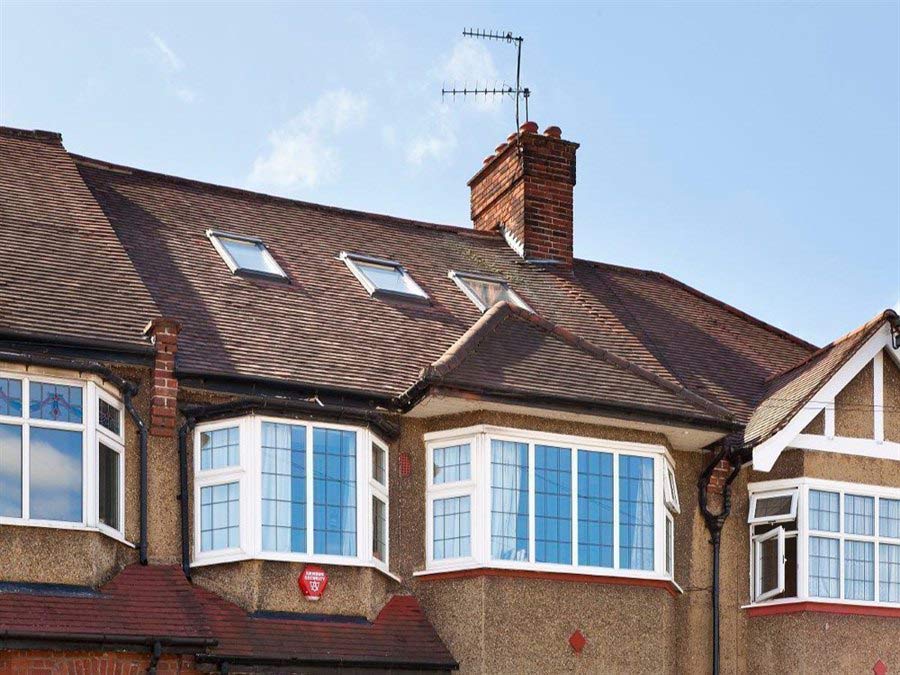
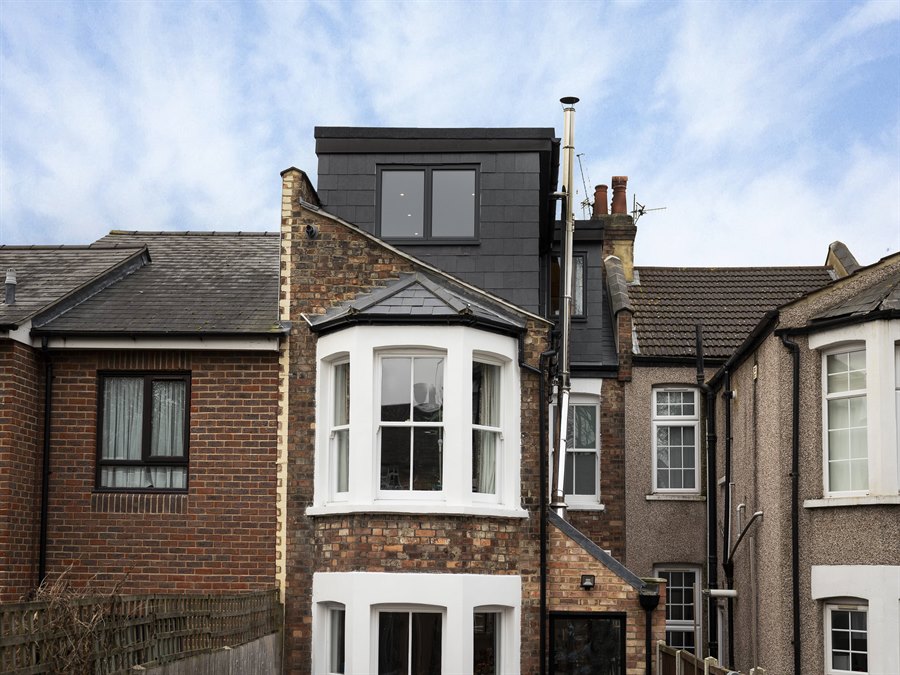
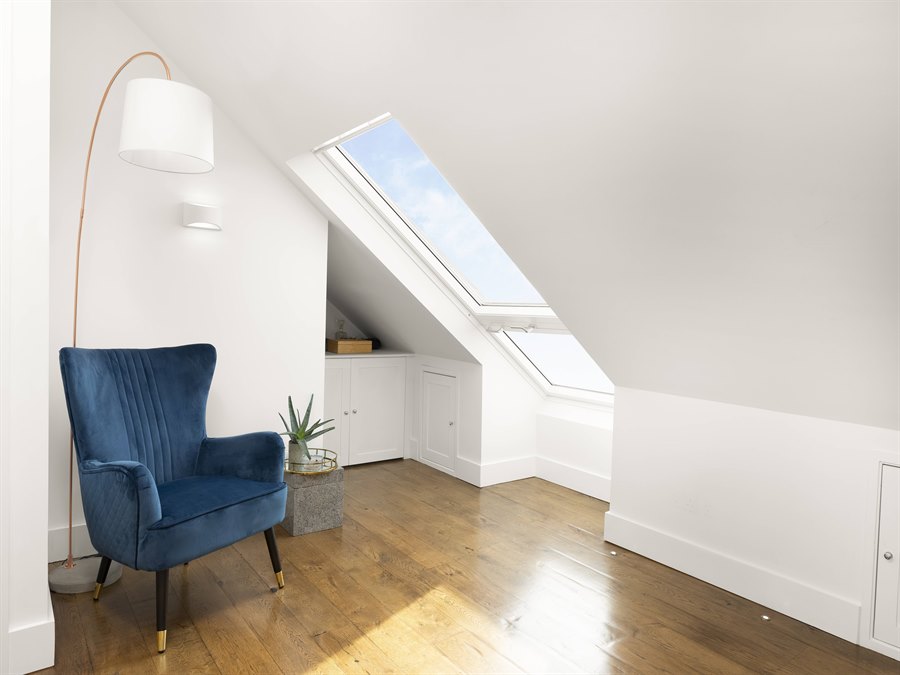
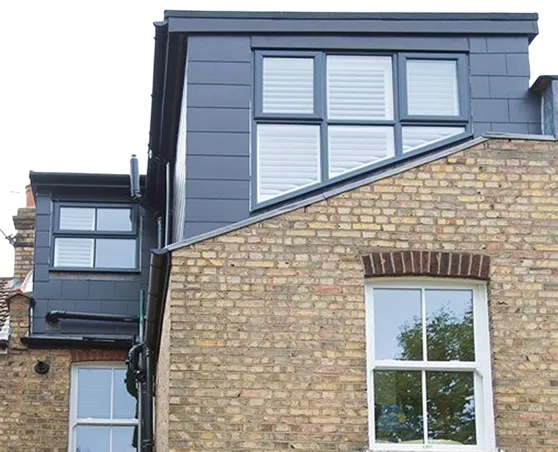
Planning permission is formal approval from your local council needed before carrying out building work that materially changes your property’s appearance or footprint. Works that do not fall within Permitted Development Rights generally must have planning permission approved before building commences.
Permitted Development Rights (PD) – Work Without Full Planning Permission
Many extensions and loft conversions in and around London can be built under Permitted Development without a full planning application — as long as specific criteria are met.
Loft Conversions & Roof Extensions
You usually do not need planning permission if:
Your home is a single house (not a flat/maisonette).
The overall roof height is unchanged.
The additional roof space is within volume limits:
• Max 40 m³ for terraced houses
• Max 50 m³ for semi-detached or detached houses.
Materials are similar in appearance to the existing building.
The extension does not protrude beyond the existing roof slope facing the road.
Side-facing windows are obscure-glazed and positioned to avoid overlooking.
If any of these conditions are breached, you will likely need to apply for planning permission.
When Planning Permission is Required
Even if you think your project comes under PD rights, you will need planning permission if any of the following apply:
Conservation Area, Article 4 Direction or Listed Building
Properties in conservation areas or with Article 4 directions may lose permitted development rights, meaning even small extensions need full planning permission.
Extensions Exceeding Limits
Work that exceeds PD allowances — such as large dormers, or roof enlargements that breach size limits — will require planning approval.
Flats and Maisonettes
Loft conversions in flats or maisonettes do not benefit from standard house PD rights and usually need planning permission.
Significant Visual or Structural Changes
Changes that materially alter your home’s appearance (e.g., front dormers, significant rear additions visible from public spaces) will often trigger planning approval.
Local Variation – Always Check with Your Council
London boroughs can interpret policies slightly differently. Always consult with the local planning authority (LPA) before starting work — either directly or via an architect/planning consultant — to confirm whether permitted development rights apply and whether any local restrictions are in place.
Lawful Development Certificates (LDC)
Even if your project doesn’t require planning permission, you can apply for a Lawful Development Certificate.
Useful Rules at a Glance
Project Type
Permitted Development?
Planning Permission Needed?
Standard loft conversion (within PD limits)
Usually yes
No
Large dormer exceeding volume limits
No
Yes
Properties in conservation areas
Often no
Yes/conditional
Flats/maisonettes
No
Yes
Building Regulations – Always Required
Whether or not planning permission is needed, Building Regulations approval is always required for extensions and loft conversions. This ensures:
Structural safety
Fire protection
Insulation and ventilation standards
Stair access and headroom compliance
Testimonials
What our clients say About Us
4.8
You were referred to me by a friend and they were right. Quick, clean and just superb. Thank you for getting my extension done in time for Christmas.
Miss Hunter, CHIGWELL
Medical Assistant
4.8
The designers at Bespoke knew exactly the look that we were aiming for and were full of innovative ideas to make it happen. The tradesmen who worked on our project were efficient and courteous and really seemed to know what they were doing. We can’t believe the difference that the conversion has made to our home, and we can’t wait to show it off to everyone!
Jackie, Buckhurst Hill
Medical Assistant
4.8
“I had used Bespoke Lofts in the past for another loft conversion; I was delighted with the previous work so it seemed natural to choose them again to create an office in my home. I was amazed at the floor space that was created, it’s made our working life much easier. I’m so pleased with the windows too and the amount of natural light, the room is positively bright and airy. It’s inspirational in fact!”