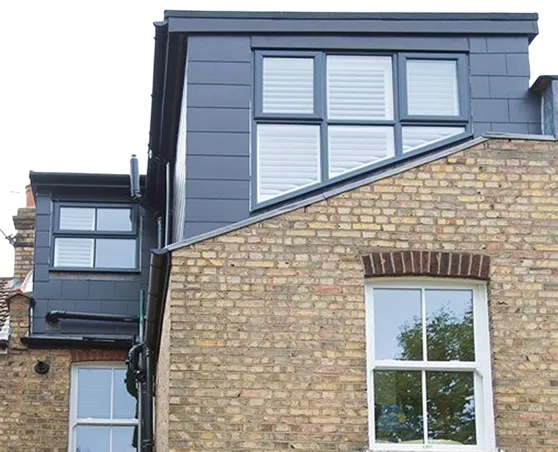
Under new regulations that came into effect on 1 October 2008 an extension or addition to your house is considered to be permitted development, not requiring an application for planning permission, subject to the following limits and conditions:
Maximum depth of a rear extension of more than one storey of three metres beyond the rear wall including ground floor.
No more than half the area of land around the "original house"* would be covered by additions or other buildings.
Maximum eaves and ridge height of extension no higher than existing house.
No extension forward of the principal elevation or side elevation fronting a highway.
Roof pitch of extensions higher than one storey to match existing house.
No extension to be higher than the highest part of the roof.
Side extensions to be single storey with maximum height of four metres and width no more than half that of the original house. Two-storey extensions no closer than seven metres to rear boundary.
Maximum depth of a single-storey rear extension of three metres beyond the rear wall for an attached house and four metres beyond the rear wall for a detached house.
Materials to be similar in appearance to the existing house.
Maximum height of a single-storey rear extension of four metres.
Maximum eaves height of an extension within two metres of the boundary of three metres.
On designated land* no permitted development for rear extensions of more than one storey.
On designated land no cladding of the exterior.
On designated land no side extensions.
No verandas, balconies or raised platforms.
Upper-floor, side-facing windows to be obscure-glazed; any opening to be 1.7m above the floor.
* The term “original house” means the house as it was first built or as it stood on 1 July 1948 (if it was built before that date). Although you may not have built an extension to the house, a previous owner may have done so.
* Designated land includes national parks and the Broads, Areas of Outstanding Natural Beauty, conservation areas and World Heritage Sites.